

.jpg)
As we explore Canada’s Qbet Casino and its implementation of a Zero Trust Security model, qbet casino login real reviews, we should think about how this framework transforms user login protocols. By focusing on no inherent trust for any user or device, Qbet Casino enforces strict identity verification techniques. This highlights significant effects for online gaming security. But what specific measures does Qbet employ to safeguard player accounts and how do these align with emerging threats?
Key Points
- Qbet Casino employs a Zero Trust security framework, making sure no user or device is trusted by default during login attempts.
- Multi-factor authentication (MFA) is mandatory for all users, significantly lowering the chances of unauthorized account access for Canadian players.
- Continuous identity checking and real-time monitoring help detect anomalies during the login process, enhancing overall security.
- The casino uses advanced identity and access management (IAM) tools to apply strict access controls on user login actions.
- Ongoing user awareness about cybersecurity threats, such as phishing, strengthens defenses and encourages safer login practices among Canadian users.
Understanding Zero Trust Security
As we delve into the idea of Zero Trust Security, it is crucial to understand that this paradigm transitions the emphasis from traditional perimeter-based defenses to a more comprehensive strategy. Zero Trust fundamentally reconstructs our Security Framework, highlighting that no party, within or beyond, should be inherently trusted. Instead, we must verify every Digital Identity trying entry to resources. This continuous verification method improves Data Protection, ensuring that private information is protected from unauthorized intrusion. By implementing thorough risk management methods, we create a robust environment that successfully mitigates prospective threats. As we implement this Cyber Defense strategy, we move toward a more protected and flexible setting, vital for safeguarding our digital assets in today’s intricate cyber landscape.
Key Principles of the Zero Trust Model
While we traverse the complexities of contemporary cybersecurity, understanding the key principles of the Zero Trust model is essential for solid defense strategies. At its heart, Zero Trust operates on the premise that no user or gadget, within or external to the network, should be relied upon by default. Implementing multi-factor authentication (MFA) is essential, as it introduces levels of verification, significantly lowering the risk of unapproved entry. Furthermore, effective network segmentation separates different parts of the network, limiting the likelihood for sideways movement by attackers. By persistently validating identities and imposing rigorous access controls, we can create a security atmosphere where trust is achieved, not presumed, improving our overall cybersecurity position and protecting confidential information successfully.
The Importance of Identity Verification
In our quest to enhance security for Qbet Casino, we acknowledge that identity verification is vital in averting unauthorized access. By establishing solid verification processes, we not only strengthen user trust but also assure adherence to compliance regulations. This comprehensive approach emphasizes the value of identity verification in a Zero Trust framework.
Averting Unauthorized Access

Because unauthorized access can cause significant security breaches, implementing robust identity verification measures is crucial for platforms like Qbet Casino. We must prioritize unauthorized access prevention to secure user data and maintain our integrity. Multi-factor authentication (MFA) functions as a critical security measure, necessitating users to verify their identity through multiple channels, considerably decreasing the risk of unauthorized logins. Additionally, employing biometric verification can bolster security, as it utilizes unique physiological traits for user authentication. By constantly monitoring access patterns and leveraging machine learning algorithms, we can quickly recognize suspicious activity and mitigate potential threats. These preemptive strategies ensure that we keep one step ahead, creating a secure environment for our users while reinforcing the foundation of trust in our operations.
Improving User Trust
Establishing robust identity verification measures directly enhances client trust in platforms like Qbet Casino. When we prioritize strong verification processes, we address key trust factors that influence customer satisfaction and loyalty. Analyzing user feedback reveals a clear relationship between stringent identity checks and perceived security. Clients are more likely to engage with our platform when they feel assured that their personal information is safeguarded. Furthermore, integrating dual-factor authentication and biometric verification not only fortifies our defenses but also reassures customers about the integrity of their accounts. By consistently evaluating and improving these measures, we can effectively build a committed client base. Ultimately, it’s our commitment to enhancing identity verification that will propel trust and sustained engagement.
Compliance With Regulations
While we navigate the challenging landscape of online gaming, compliance with regulations remains critical, especially regarding identity verification. We face substantial regulatory challenges, as laws vary widely across jurisdictions, demanding a robust understanding of compliance frameworks. Ensuring accurate identity verification not only protects against fraud but also upholds our legal obligations. Utilizing state-of-the-art technology, such as biometric authentication and knowledge-based verification, strengthens our commitment to maintaining compliance. As we implement these measures, we reinforce our reputation within the industry, demonstrating that we prioritize the safety of our customers and adhere to regulations. Ultimately, effective identity verification is not just about compliance; it’s vital for building trust and fostering a safe gaming environment that adheres to changing regulations.
How Qbet Casino Implements Zero Trust
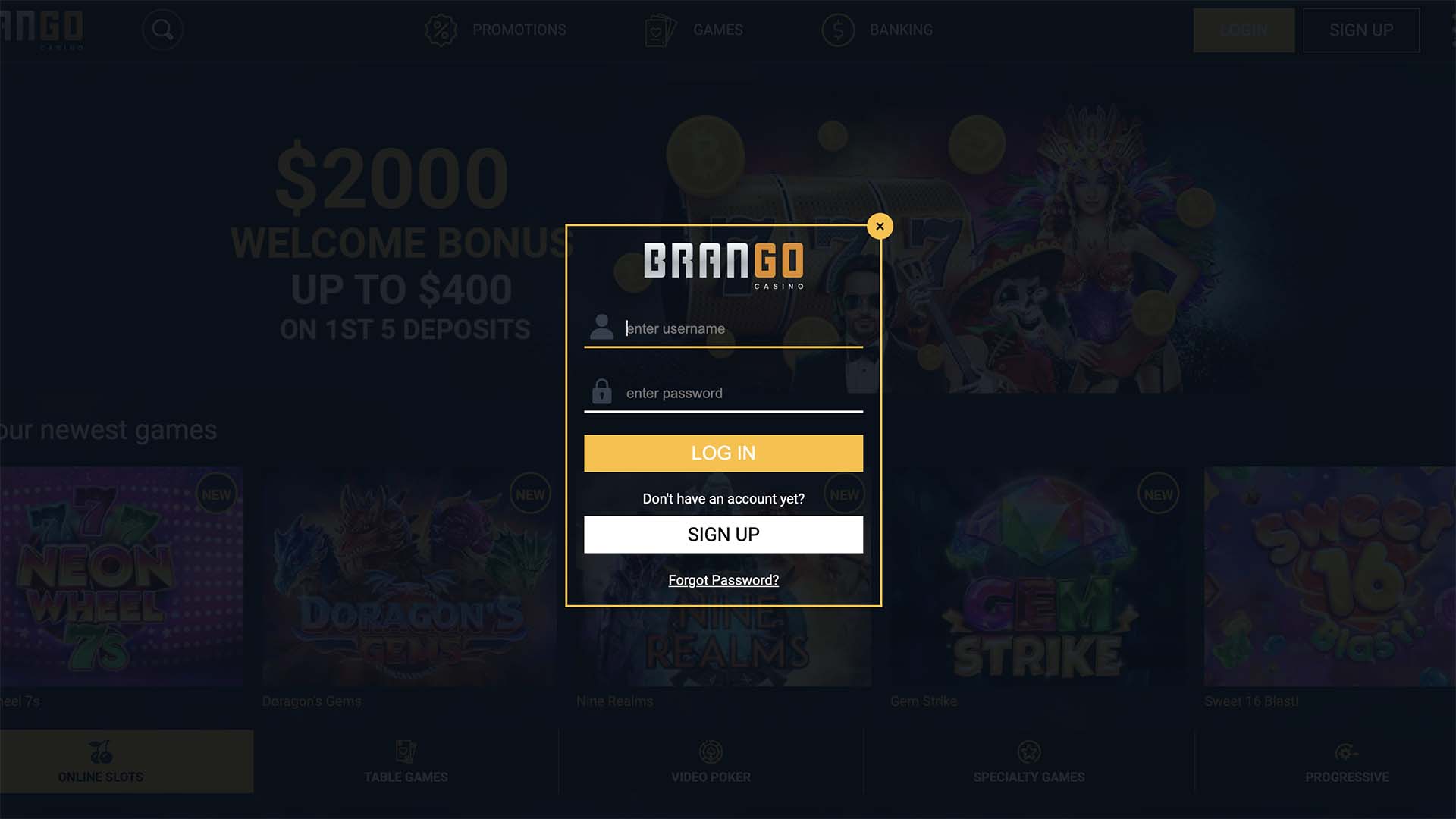
As we investigate how Qbet Casino integrates Zero Trust security, it’s clear that a basic shift in user authentication procedures plays a important role. Qbet Security uses a fine-grained trust framework, ensuring that every user interaction is validated and continuously evaluated. By utilizing multi-factor authentication, we diminish the risk of unauthorized access. This methodical verification goes beyond initial logins, involving real-time monitoring of user behavior to detect anomalies. Each request for data access is handled as an separate transaction, establishing a dynamic security posture. Additionally, integrating identity and access management (IAM) tools enables us to implement strict access controls. Through these measures, Qbet Casino not only fortifies its defenses but also fosters a strong and adaptive security environment.
Benefits of Zero Trust for Online Gaming
Zero Trust security offers numerous benefits for online gaming platforms like Qbet Casino, boosting the overall integrity of user experiences. By integrating a Zero Trust model, we guarantee that every access request is validated, regardless of its origin. This thorough authentication process considerably lowers the risk of unauthorized access, creating a more secure environment for our players.
Moreover, real-time monitoring and analytics allow us to promptly identify and react to anomalies, enhancing security enhancement measures. As a result, users experience increased confidence in the platform’s safety, knowing their personal data and financial information are well-protected. Ultimately, by prioritizing a Zero Trust framework, we not only reinforce our defenses but also improve the overall user experience, making gaming protected and fun for everyone involved.
Emerging Threats in Online Gambling
As we explore the growing threats in online gambling, it’s essential to acknowledge the evolving landscape of cybersecurity risks we face. Recent trends in phishing attacks show a significant growth in sophisticated tactics targeting manipulating users. Additionally, data breaches have serious implications for both casinos and players, highlighting the requirement for robust security measures.
Cybersecurity Risks Overview
The landscape of online gambling is laden with serious cybersecurity risks, presenting challenges that necessitate our urgent attention and action. As we navigate the changing cyber threat landscape, we must understand the growing prevalence of ransomware attacks aimed at online casinos. These attacks can disable operations, lead to financial loss, and endanger sensitive customer data. Additionally, the dynamic nature of these threats means we can’t afford to be complacent; hackers constantly refine their tactics to exploit vulnerabilities. We must embrace robust security measures, such as adopting a Zero Trust framework, to mitigate these risks. By remaining informed and proactive, we can more effectively safeguard our users and uphold the integrity of the online gambling environment.
Phishing Attacks Trends
Online gambling platforms increasingly face the threat of phishing attacks, which have evolved into a complex method for cybercriminals to target users. These attacks often employ email phishing, leveraging social engineering tactics to manipulate individuals into disclosing sensitive information. Attack vectors have diversified, focusing on credential harvesting through fake login pages. We must implement phishing simulations and conduct trend analysis to identify emerging tactics. By enhancing detection techniques, we can fortify our security posture and mitigate risks. Moreover, educational campaigns play a crucial role in transforming user behavior, empowering players to recognize threats. As cybercriminals refine their strategies, staying vigilant and adaptable is essential to thwart their attempts effectively. Let’s unite in tackling these emerging threats.
Data Breach Impacts
While data breaches pose significant challenges for businesses across various sectors, their impact on online gambling platforms is particularly detrimental. We must recognize that the consequences of a data breach extend beyond immediate financial losses. A breach not only jeopardizes sensitive customer information but also severely undermines customer trust, a essential element for any gambling platform’s success. Once breached, customer confidence diminishes, leading to increased churn rates as users seek safer alternatives. Moreover, regulatory scrutiny often intensifies, resulting in potential fines and operational restrictions. As we navigate the evolving landscape of online gambling, a robust Zero Trust security approach is essential to mitigate these risks, safeguard user data, and ultimately maintain the integrity of our industry.
User Education and Awareness
As we traverse the complexities of cybersecurity, user education and awareness emerge as critical components in bolstering our defenses against potential threats. Effective user engagement strategies are essential in ensuring that players understand the risks associated with online gambling. Incorporating extensive security awareness training promotes a culture of vigilance and responsibility among users, equipping them with the knowledge needed to recognize suspicious activities or phishing attempts. Regular training sessions can greatly boost our collective cybersecurity posture, addressing human factors that often undermine security. We must prioritize these educational initiatives, focusing on practical examples and real-world scenarios that connect with users. Ultimately, a well-informed user base not only shields themselves but also strengthens Qbet Casino’s security framework against evolving cyber threats.
Future of Security in Online Casinos
With the rapid evolution of technology and the increasing sophistication of cyber threats, the future of security in online casinos will hinge on the integration of advanced solutions like artificial intelligence and machine learning. These technologies will enable us to detect anomalies in real-time, ensuring rapid responses to potential breaches. Additionally, blockchain integration will play a pivotal role in enhancing transparency and player trust. By dispersing data and ensuring immutability, we’ll fortify security at every transaction layer. Furthermore, prioritizing player anonymity will shield sensitive information, reducing the risk of identity theft. As we adopt these innovations, we’ll not only improve security but also cultivate a safer gaming environment, ultimately forming the future of online gambling security and user experience.
Conclusion
In conclusion, implementing a Zero Trust Security framework at Qbet Casino greatly improves our protection against unauthorized access and data compromises. By rigorously applying two-factor authentication and continuous identity verification, we establish a secure environment that promotes player confidence. As we navigate the changing terrain of online gambling, staying vigilant against emerging threats and focusing on user education will be crucial. Adopting these guidelines ensures that we remain proactive in protecting our players’ interactions and maintaining the reliability of our platform.


