

Accounts payable is considered current while a mortgage is considered non-current. Outsource Invoicing Classifying items on a balance sheet helps us see a clear picture of a company’s money, what it owns, and what it owes. It’s like sorting your toys into boxes so you can easily find what you’re looking for.
Add Shareholder Equity
Data can help stakeholders in the business better understand their financial position. Even small entities with one or a handful of employees will want to take the time to create a classified balance classified balance sheet sheet. The primary difference is that a classified sheet will separate liabilities, assets and equity into further subcategories. Shareholder’s Equity might also include various other components such as preferred stock, treasury stock, and accumulated other comprehensive income. Preferred stock is similar to common stock but typically grants holders preferential rights to dividends or assets in the event of liquidation.
How to Ease Your Excel Reporting With Dynamic Menus (FREE TEMPLATE DOWNLOAD)

The two liabilities classifications are current liabilities and non-current liabilities. Current liabilities are those due within a year, such as accounts payable and wages payable. For instance, if your small business has $10,000 in accounts payable and a $15,000 five-year loan, you would report $10,000 as a current liability and the $15,000 loan as a non-current liability.

What Is a Classified Balance Sheet?
It first lists the money received from preferred stock owners and common stock investors. Sometimes it includes these under a “capital stock” classification on classified balance sheets. The next account, retained earnings, represents the profits a company has reinvested in its business since it began.
- Simply put, it presents the firm’s financial status to the user in a more readable format.
- Cash flow statements, profit and loss statements, tax returns, and balance sheets are all different reports that break down your business’s finances for their own specific purposes.
- Most accounting applications permit you to pick what sort of balance sheet you wish to generate, yet if you have various assets or liabilities you would want to track, you must choose the classified balance sheet.
- A classified balance sheet is a more detailed version of the traditional balance sheet.
- The UpStore platform offers mid-sized companies a full range of integrated business financial management features.
- Shareholders’ equity is the owners’ stake in the company after all debts have been paid.
Include Notes to the Financial Statements:
Equity represents the residual value of assets after liabilities have been deducted. It reflects the ownership interest in the company and is also known as shareholders’ equity or net worth. Collect all the necessary financial information from your accounting records, including assets, liabilities, and equity. Non-current liabilities are like your mortgage or student loans—long-term obligations that extend beyond a year.
Practical Examples
It’s a powerful tool that provides insights into a company’s financial health, guiding decisions for investors, management, and other stakeholders. Whether you’re an investor looking to assess potential opportunities or a business owner aiming to understand your financial standing, mastering the classified balance sheet is a game-changer. The business balance sheet is one of the three major financial statements that help business leaders understand their company’s financial health and guide decision-making. The business balance sheet is essentially designed to provide a snapshot of the company’s current financial picture at a specific moment. By organizing everything into these sections, a classified balance sheet gives a clear picture of the company’s financial health. It helps people make informed decisions about investing in or lending money to the company.
- You should consult your own legal, tax or accounting advisors before engaging in any transaction.
- It provides stakeholders with a clearer and more organized presentation of a company’s financial position, enabling them to make more informed judgments and strategic moves.
- Another key limitation is the fact that a balance sheet reflects balances at only one given point in time.
- A classified balance sheet is a financial statement that shows a company’s assets, liabilities, and ownership details, but with a twist.
- Collect all the necessary financial information from your accounting records, including assets, liabilities, and equity.

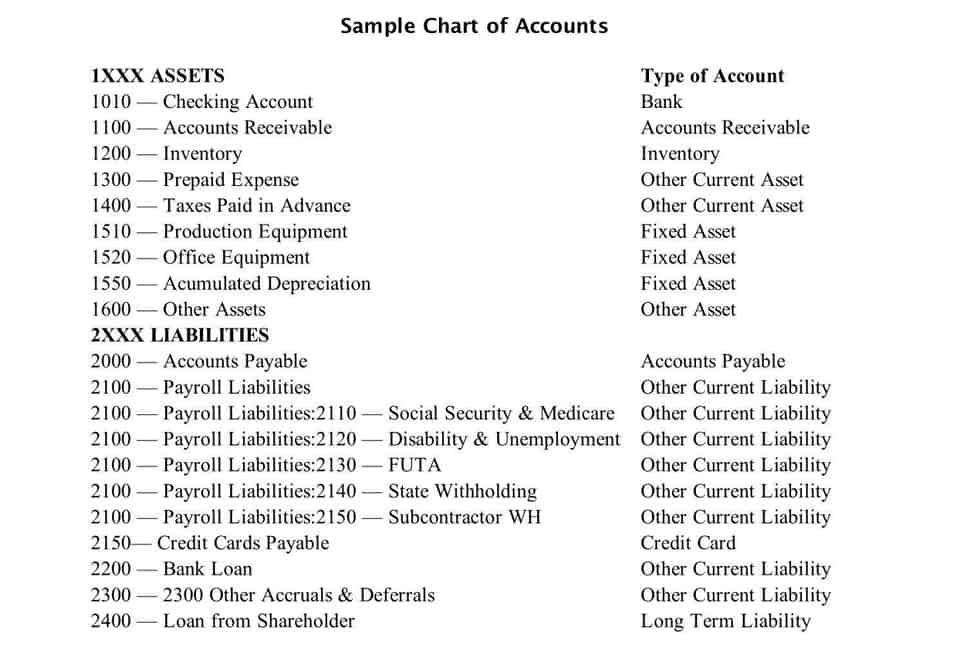
Here is an example of a typical classified balance sheet, and as you are able to see, it contains all of the basic components in the basic accounting equation but divides them into several useful categories. When formatted with current as well as long-term classifications such as these, it can ledger account give users considerably more value than a regular balance sheet. AI automates this process by pulling real-time data from sales, expenses, and inventory to produce accurate income statements instantly. It can detect anomalies, flag unusual spending patterns, and provide insights to boost profitability.


