

We look at a lot of online casinos, but a factor people rarely mention is how easy they are to actually look at, https://leonkazino.org/en-gb/. How a site manages empty space, margins, and layout influences whether your eyes feel strained after ten minutes or an hour. I scrutinized Leon Casino, assessing how its spacing and margins influence readability and navigation. Forget games and bonuses for a moment. This is about the invisible design that keeps your session comfortable or a pain.
Initial Thoughts: Homepage Layout and Breathing Room
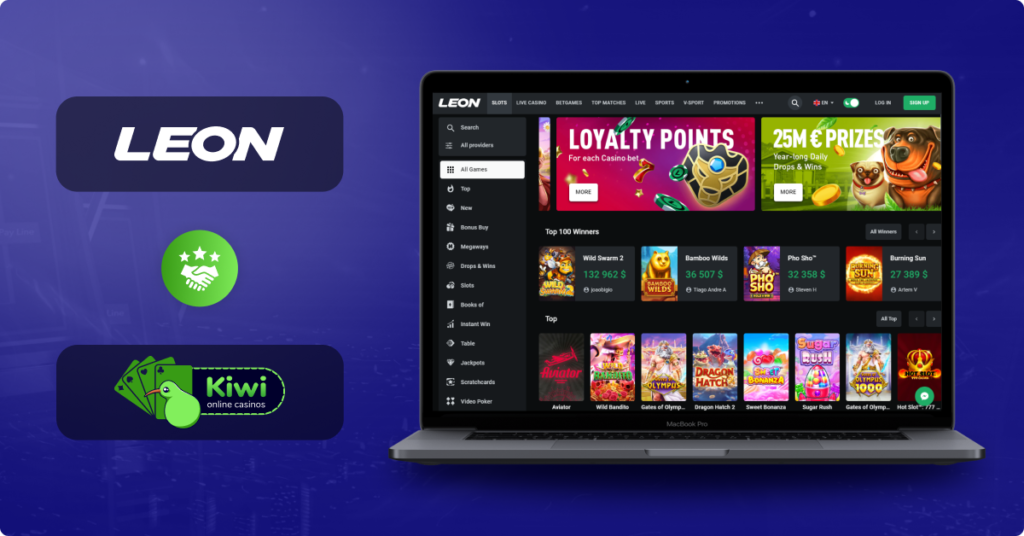
Your initial look of the Leon Casino homepage appears crammed but organized. The dark color scheme is common for casinos, which makes getting the spacing right even more vital to avoid everything looking murky. The top navigation bar is well spaced, with visible margins between the logo, menu links, and the login button. Promotional banners are large and striking, but they do not seem piled on top of each other.
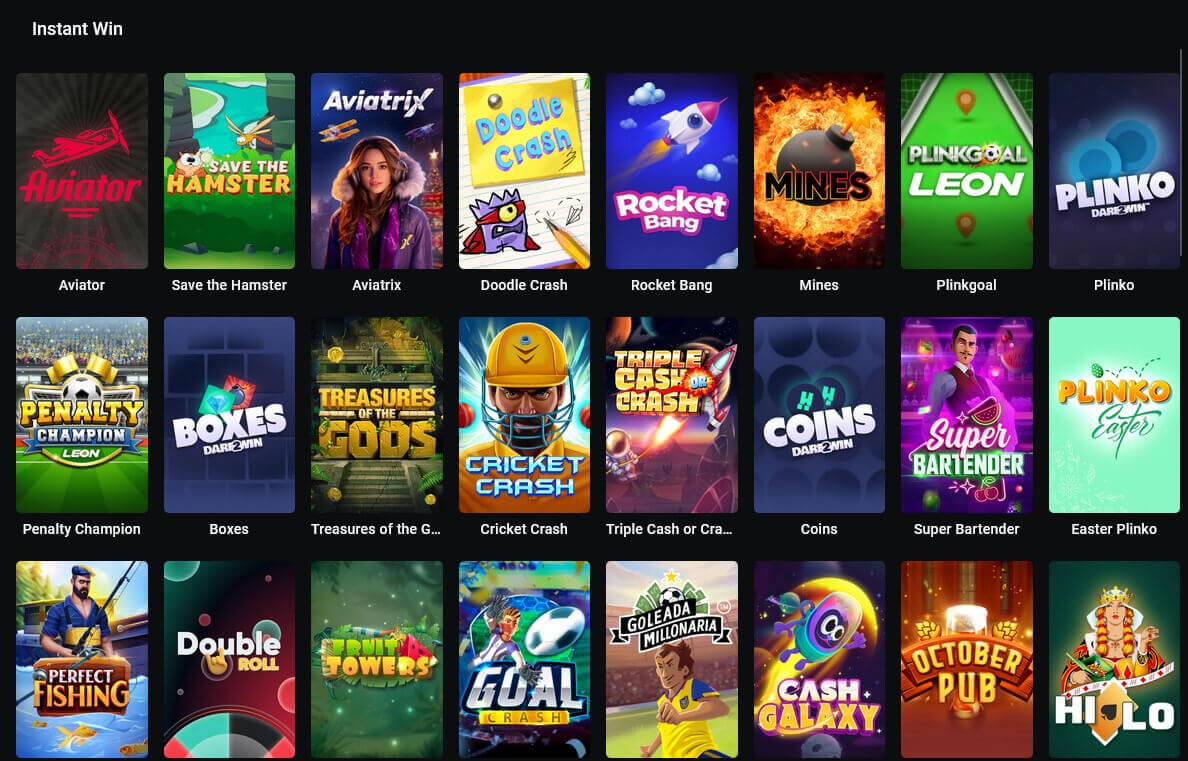
As you move down, the sections for game categories and featured titles use a grid layout with generous gaps. Each game icon has plenty of room around it, preventing a chaotic, tiled wall effect. The text in these sections sometimes uses line spacing that seems a bit tight for longer blurbs. But on the whole, the homepage controls its many parts by giving each block defined limits through smart use of whitespace.
Payment and User Areas: Accuracy and Readability
Fund matters require total clarity. Leon Casino’s cashier section employs a form-based design. Each input field, for deposit value or bonus voucher, has distinct vertical separation (a margin-bottom) isolating it from the following one. This lowers the chance of typing data into the erroneous box. Pictograms for payment methods are distributed evenly in a grid, not shoved together.
Pages showing your transaction log show data in entries. It’s compact, but each entry is distinct thanks to delicate divider rules and varying background colors, which aids when you’re reviewing line by line. The text scale in tables is regular, though a bit more line-height for the transaction explanations would make browsing a long list more comfortable on the vision.
Comparison with Industry Standards
So where does Leon Casino position itself against general design standards? Relative to many modern web applications, its spacing is functional rather than lavish. It doesn’t go for the extremely open, “airy” look of some software platforms, which suits a content-heavy entertainment site. But it provides a much better job than many older casino sites, which often have cramped layouts and tiny click zones.
Compared to its direct rivals in the UK market, Leon Casino is in the better half. Its spacing is more uniform and deliberate than on many competitor sites that jam promotions and games together too tightly. The approach is practical: use enough whitespace to define sections and guarantee usability, but not so much that you’re forced to scroll endlessly, notably on a phone.
Browsing the Game Lobby: Clear Design or Chaos?
The game lobby is where any casino’s design faces its test. Leon Casino has a huge library, and its organization relies heavily on spacing. The filter options on the left appear in a list with comfortable padding, making them easy to press on a touchscreen. The main game grid uses a uniform box size for every thumbnail, with clean margins between rows and columns.
It’s good that game titles are displayed fully and that labels like “New” or the provider logo have their own dedicated spot without crowding the main image. The density is high—you see a lot of games at a glance—but the even spacing stops it from becoming a chaotic mess. It finds a middle ground between showing maximum choice and keeping things easy to scan, which regular players will find efficient.
During Gameplay: Essential Layout in Action
Once a game loads, the interface is key. We tried a few top slots. The game screen itself dominates the view, which is right. Options for bet size, spin, and autoplay are placed logically along the bottom. The spacing here is adequate, with buttons large enough to press accurately on a mobile screen.
Our key find was about the game menu and info panels. When you open the paytable or settings, the pop-up windows have good internal padding, making the rules straightforward to read. The close button is always in the top corner with enough room around it to avoid accidental taps. This level of detail in the most interactive part of the site shows a design that considers the user.
FAQ
Why is spacing so important on a casino site?
Proper spacing reduces cognitive load and visual fatigue, allowing you to focus on gameplay. It prevents accidental clicks on the wrong button or link, which is crucial when managing your funds. Clear margins create a visual structure that helps you find games, information, and features quicker. This leads to a more satisfying session with fewer irritations.
Does Leon Casino’s interface provide comfort during lengthy gaming sessions?
From what we saw, yes. The uniform use of margins and padding on different devices establishes a steady visual atmosphere. The game grid is full but orderly, and important areas like the cashier use clear form spacing. This considered layout cuts down on the visual fatigue you get from cluttered, poorly spaced interfaces during a long play.
What is the difference in spacing between mobile and desktop?
The mobile version transitions smoothly. It employs a single-column design with touch targets large enough for easy tapping. While side margins are smaller, the vertical space between elements is kept or even increased to make scrolling work. The flexible design retains the primary spacing guidelines, so the ease of use remains steady.
Can inadequate website spacing cause errors?
Without a doubt. Crowded layouts, especially on touch devices, constantly result in accidental touches. You could hit “Max Bet” instead of “Spin,” or select an incorrect payment method. If input fields are too near each other, you could type data into the incorrect location. Leon Casino’s sufficient spacing reduces these dangers by providing each interactive element with distinct visual distinction.
Areas for Slight Refinement
Every design has room for improvement. We noticed some areas where spacing might be enhanced. On some promotional pop-ups, the disclaimer text uses a very small font with tight line spacing, rendering it hard to read. Furthermore, in dense text sections like bonus terms and conditions, paragraphs could use a bigger margin-bottom to separate different clauses more clearly.
Another small note is about the hover states. On desktop, when you hover over a game or a button, the visual effect (such as a glow or color shift) occasionally extends into the margin area. This is no bug, but tightening these interactive states could make the navigation feel a bit sharper and more polished.
Why Spacing and Margins Count for Online Gaming
Spacing in web design is just the breathing room between elements: text, buttons, images. Effective margins and padding eliminate the visual noise so your eyes find the way. On a casino site, where you depend on clear info and make quick choices, bad spacing leads to wrong clicks and pure annoyance. The best design feels invisible, directing you from the lobby to a slot without you even being aware.
For players in the UK, who often move between a desktop computer and a phone, spacing that adapts is crucial. A layout that’s all squashed on a mobile screen will tire your eyes fast. I wanted to see if Leon Casino’s design handles this basic comfort as a priority, building an interface that allows you play longer instead of opposing you with a messy visual layout.
Desktop vs. Mobile: A Responsive Spacing Analysis
This is a place where Leon Casino delivers a good job. On mobile, the layout changes from a multiple-column desktop view to a single column, which automatically enhances vertical spacing. Touch targets, such as the menu button and all action buttons, consistently satisfy or beat the suggested 44×44 pixel base for easy tapping. Margins at the boundaries of the screen form a protected zone, keeping content from hitting the very edge.
On desktop, the excess horizontal room enables for side columns or multi-column grids, but the core spacing ideas keep the same. Font sizes and button proportions increase properly. This consistency ensures your visual expectations and muscle memory keep intact if you switch from phone to PC in one sitting, a practice many players perform.
Adjustable Margins in Action
We noticed some particular adaptive tricks. On desktop, game thumbnails may have a 20-pixel margin, which decreases to 10 pixels on mobile to optimize of the more narrow screen while yet preserving things separate. Text blocks use relative units including ’em’ for their margins, so the spacing increases in proportion with the font size. This maintains the reading relationships intact even if you zoom in.
How We Evaluated Visual Comfort
We employed a handful of various methods for this check. We began with a visual audit across multiple devices: a standard desktop monitor, a laptop, and a modern smartphone. We looked at key pages like the homepage, the game lobby, the cashier, and a live game screen. The objective was to verify for consistency and comfort throughout the entire site journey.
We examined specific things: the line height for paragraphs, the clickable area around buttons, and the gaps between game icons. We also observed how empty space was employed to make promotions or important buttons stand out. Our review leaned on established web accessibility rules (WCAG) for target sizes and spacing, which offered us an objective yardstick for our own comfort assessment.
The Resources We Used
Alongside our own observations, we employed browser developer tools to inspect padding and margins directly. This showed us the exact pixel values and how the CSS built the page. We also performed simple practical tests, like finding a specific game and making a deposit, timing the process and noting any moments where tight spacing caused a fumble.


